International Rational Use of Medicines Day 2026
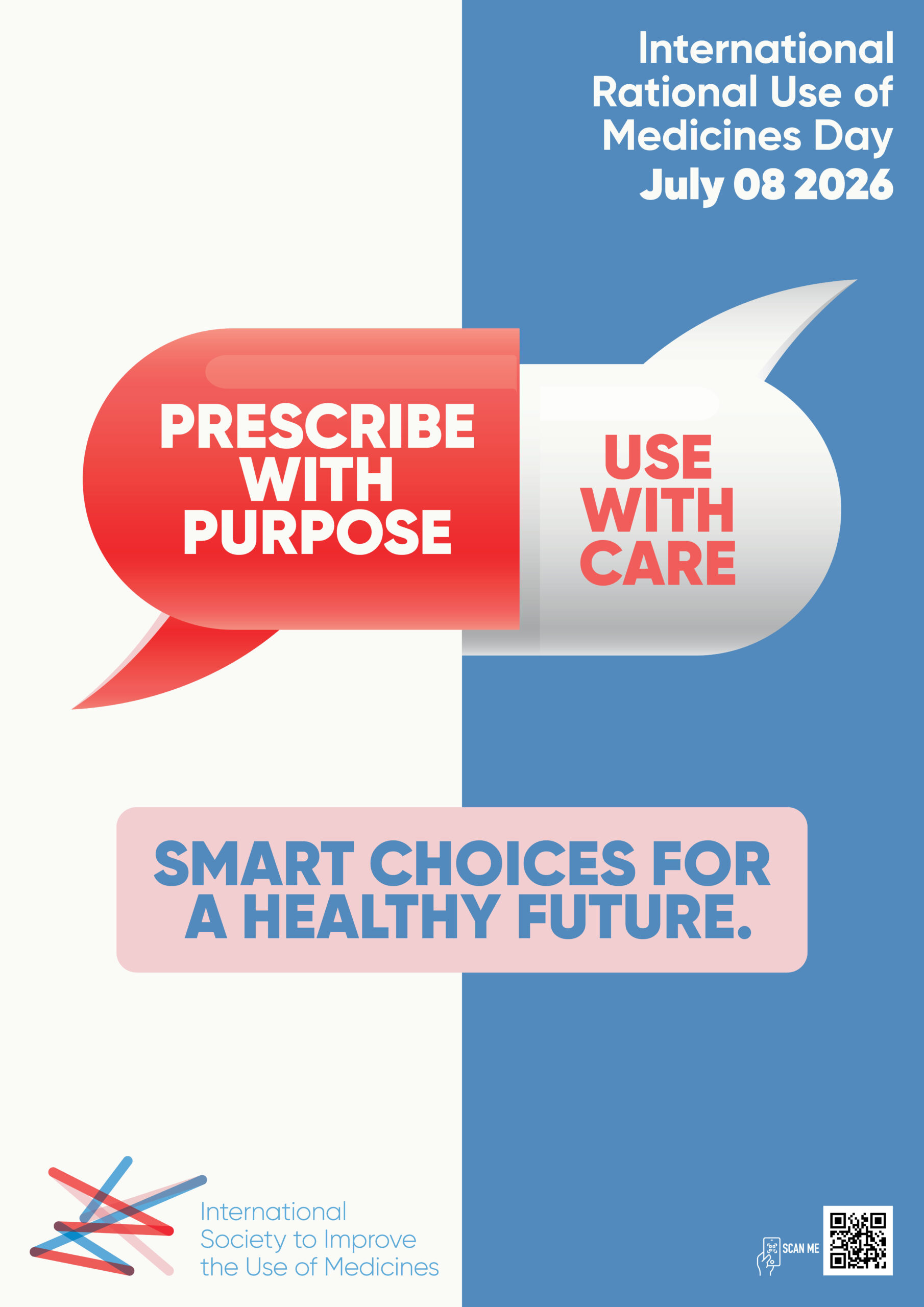
Prescribe with Purpose • Use with Care • Smart Choices for a Healthy Future
International Rational Use of Medicines Day (IRUM Day) will be held on 8 July 2026, bringing together communities around the world to promote safer, smarter, and more responsible use of medicines.
Led by the International Society to Improve the Use of Medicines (ISIUM), this year’s campaign focuses on thoughtful prescribing, informed medicine use, and better health outcomes for all.
What is IRUM Day?
IRUM Day is a global initiative led by the International Society to Improve the Use of Medicines (ISIUM) to raise awareness about the rational use of medicines and support safer, more effective, and equitable healthcare worldwide.
The day encourages conversations and action across all levels of healthcare, from prescribing and dispensing through to patient understanding and medicine use in the community.
Campaign theme: Prescribe with purpose • Use with care • Smart Choices for a Healthy Future
Medicines improve lives, but only when they are used appropriately, safely, and thoughtfully.
The 2026 IRUM Day campaign highlights the importance of:
- careful and evidence-based prescribing
- patient-centred communication
- reducing unnecessary medicine use
- supporting informed decision-making
- improving medicine safety and health outcomes
The campaign also recognises that rational use of medicines is a shared responsibility between health professionals, patients, health systems, and policymakers.
Campaign materials
Download and share the 2026 IRUM Day campaign materials to support local awareness activities, workplace initiatives, events, and community education.
IRUM Day 2026 Campaign Poster
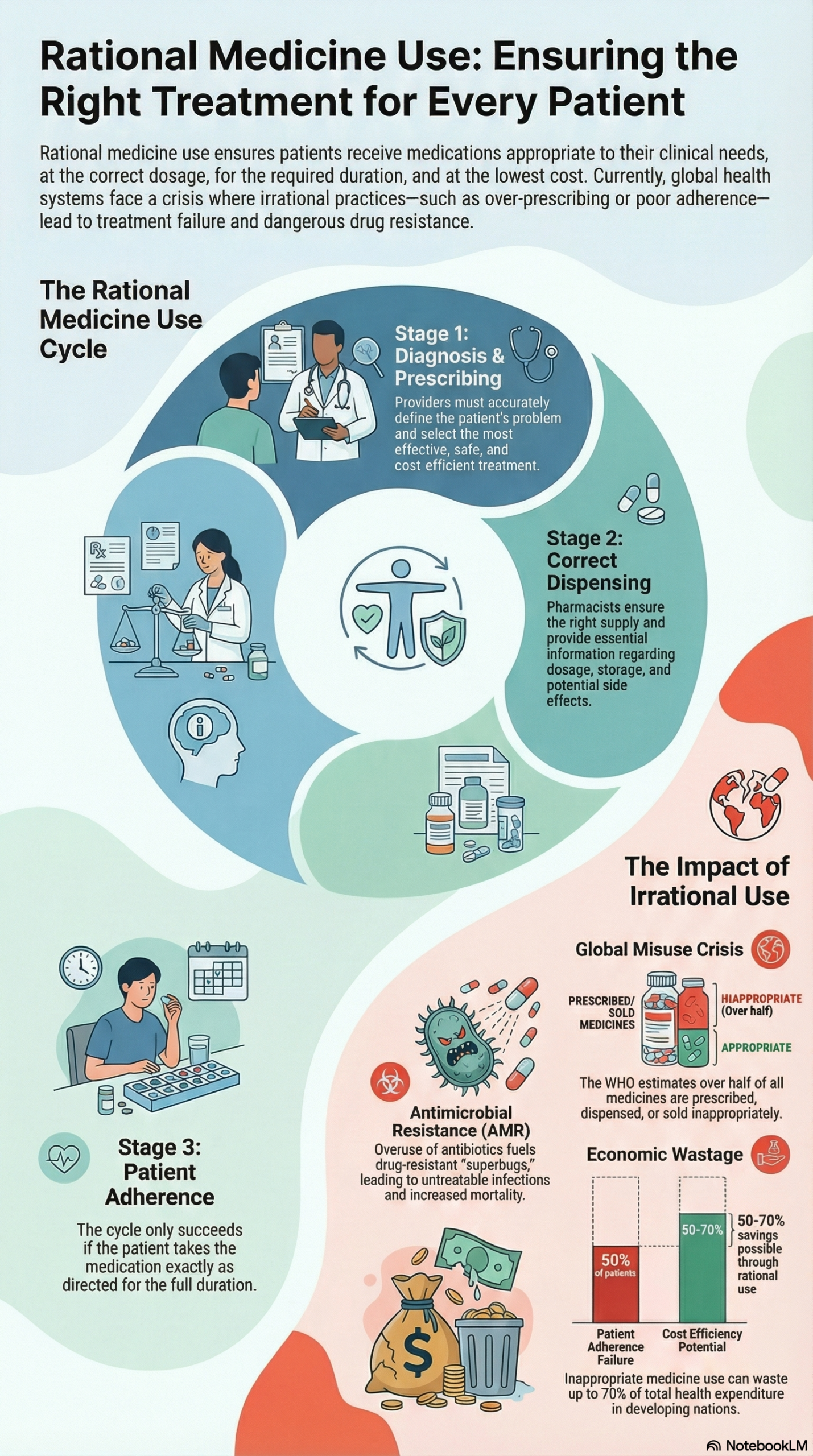
IRUM Day Infographic 1
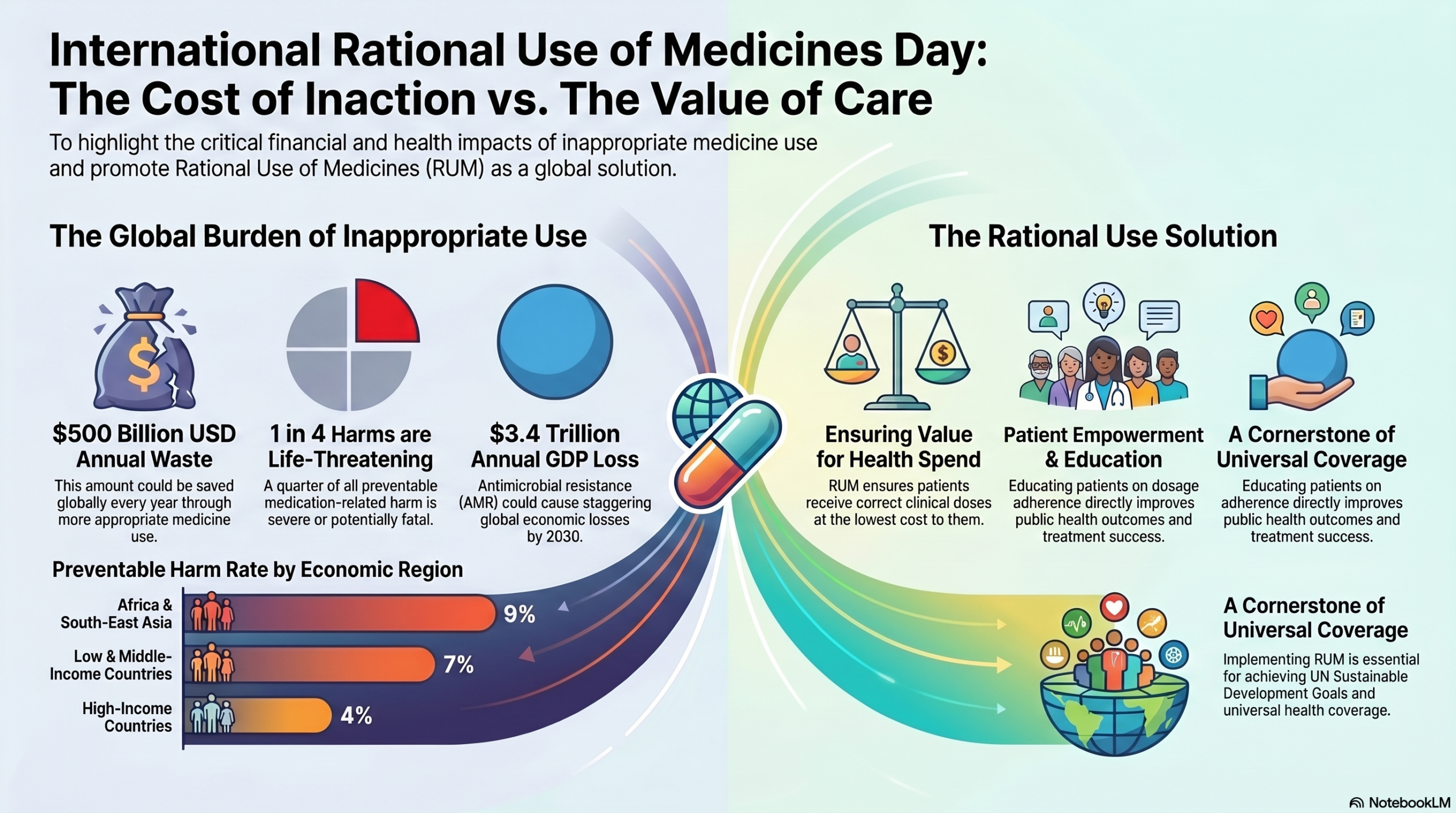
IRUM Day Infographic 2
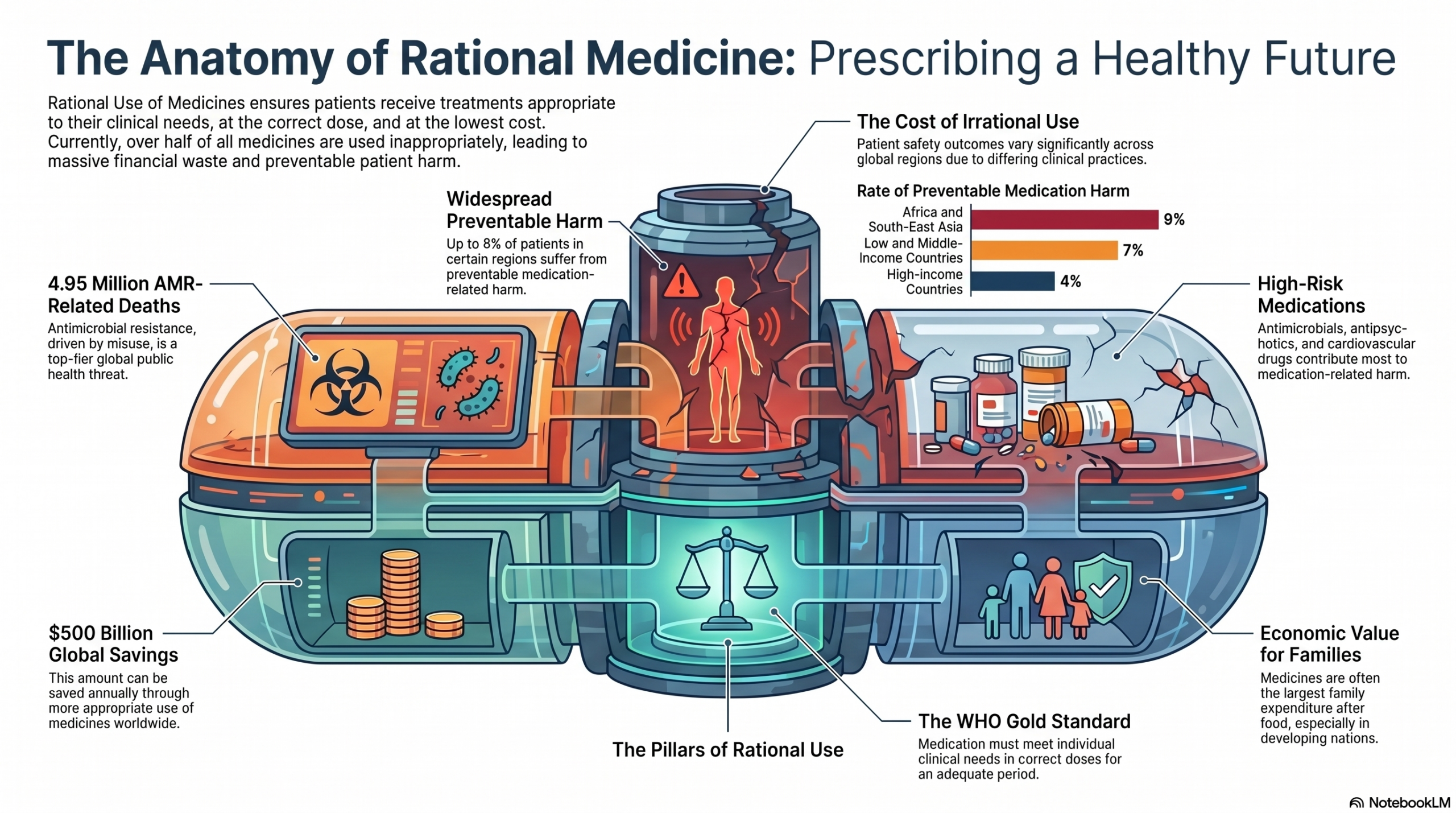
IRUM Day Infographic 3
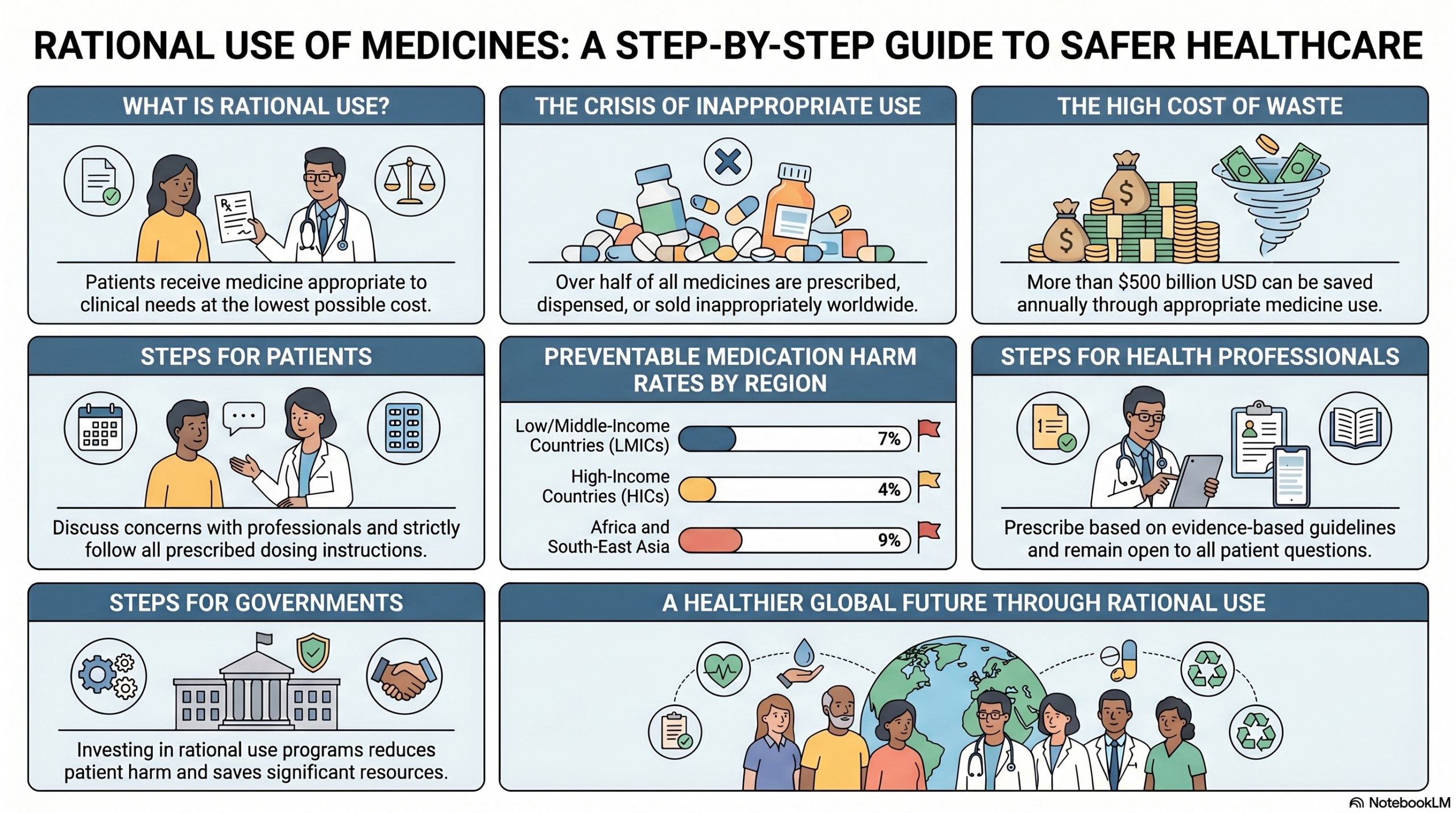
IRUM Day Infographic 4
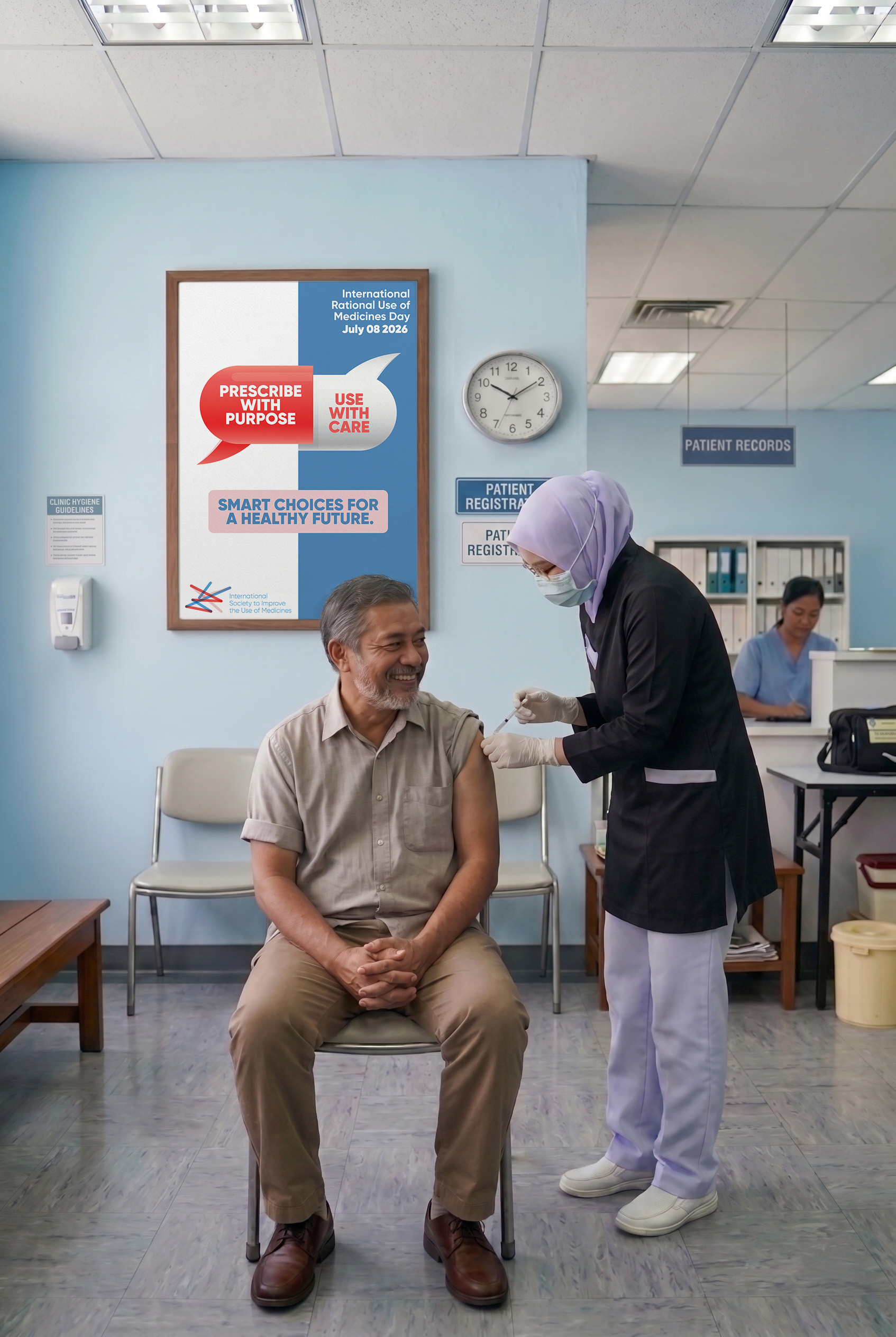
IRUM-ISIUM-2026-Campaign-Visual-1
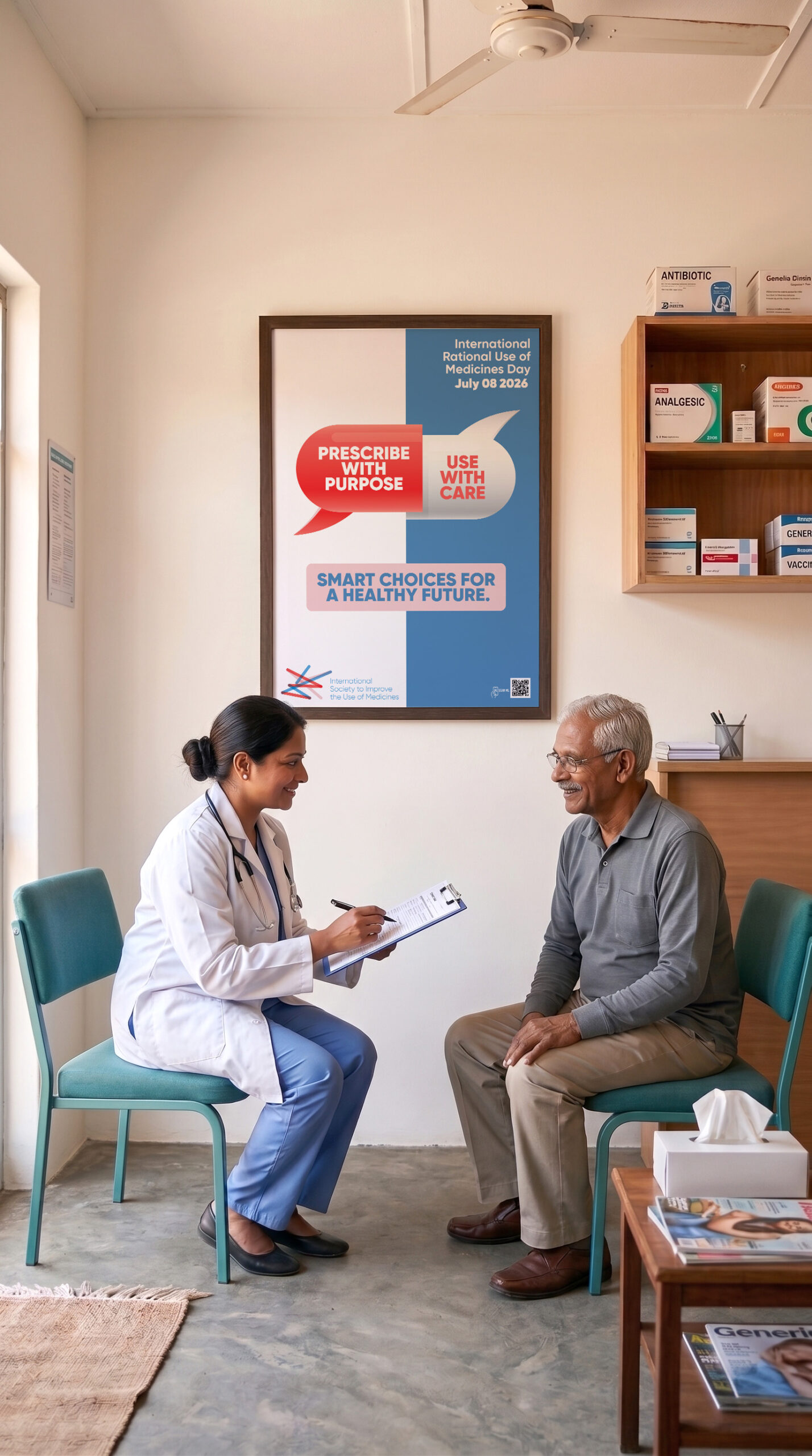
IRUM-ISIUM-2026-Campaign-Visual-2
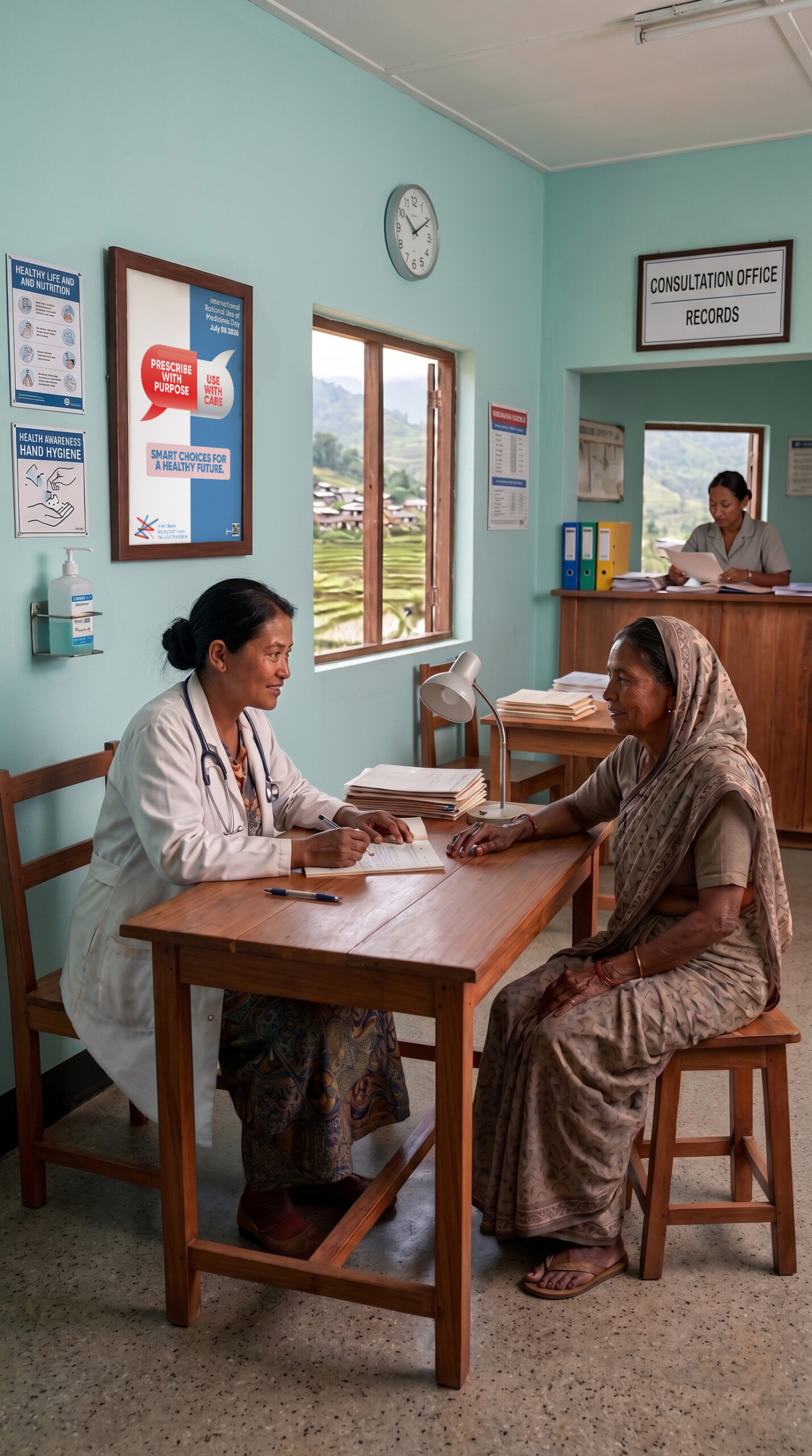
IRUM-ISIUM-2026-Campaign-Visual-3
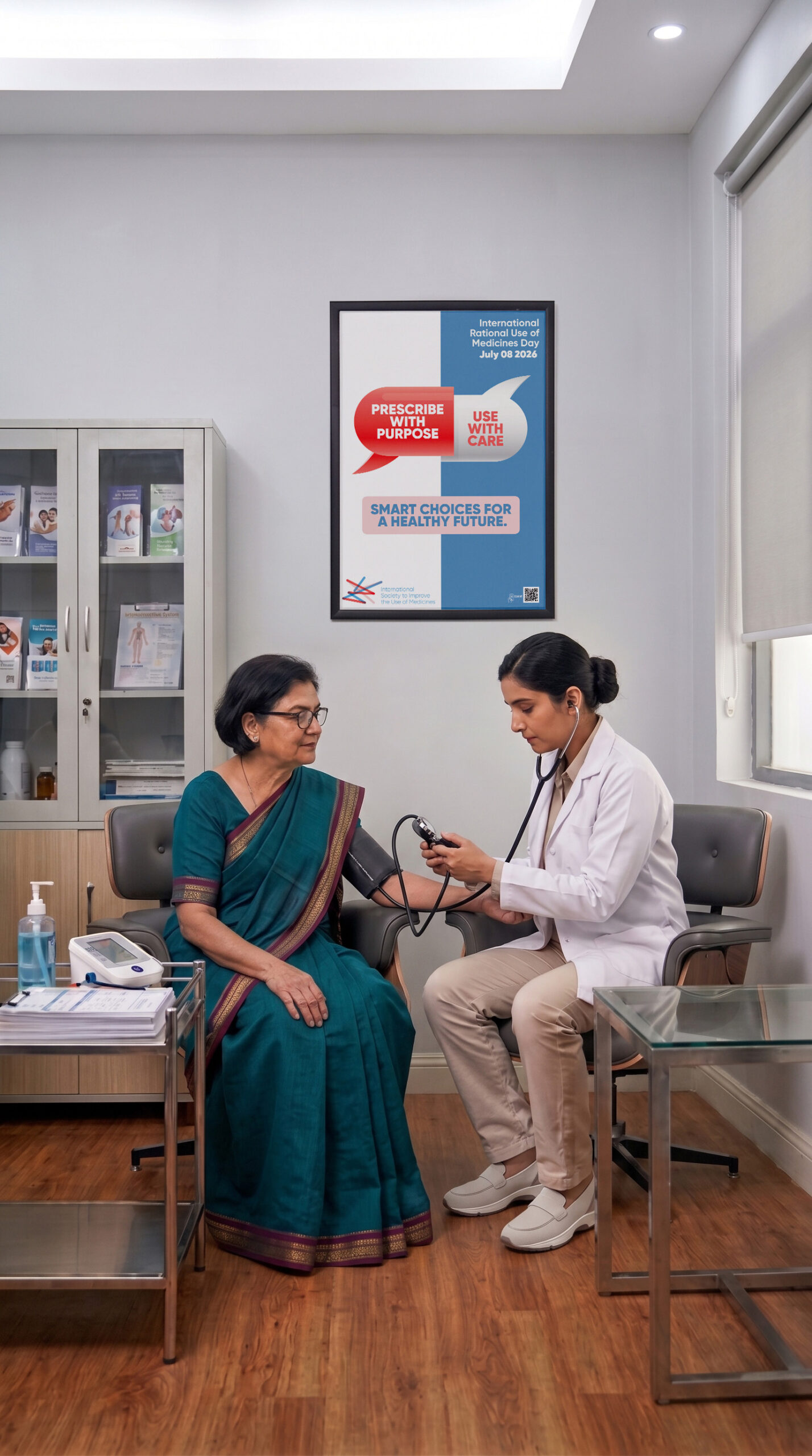
IRUM-ISIUM-2026-Campaign-Visual-4
Fact sheets and media releases
To support local initiatives and amplify the message, fact sheets and media releases are now available in multiple languages. These resources are free to download and can be used to raise awareness, promote events, or engage media and policymakers. Find out more and download here.
How to get involved
You can support IRUM Day by:
- displaying campaign posters in clinics, pharmacies, hospitals, and community settings
- sharing campaign materials on social media
- organising local discussions or education sessions
- promoting conversations about medicine safety and appropriate use
- encouraging patients to ask questions about their medicines
Activities already planned or recommended include:
- ISIUM online conversation entitled Public education and medicine use: Time to re-think the strategy?
- Media: national TV programs in Kazakhstan, Kurdistan and Belarus • posts on social media • interviews with a local RUM champion.
- Local seminars/workshops in Nepal and other areas.
- Community level activities (e.g a morning tea): to encourage patients to have their medicines reviewed • to encourage the return of unwanted and expired medicines for safe disposal.
- Hospital and university level activities: Lunchtime talks/grand rounds in hospital • display of student work in universities.
For patients and community members
- Keep an up-to-date list of your medicines.
- Ask questions about why medicines are prescribed and how to use them safely.
- Follow directions carefully and speak to a health professional if you are unsure.
- Avoid using antibiotics or other medicines unnecessarily.
For health professionals
- Prescribe according to evidence-based guidelines and patient needs.
- Engage patients in shared decision-making.
- Review medicines regularly to reduce harm and unnecessary treatment.
- Support clear communication about risks, benefits, and alternatives.
For policymakers and health systems
- Support programs that promote quality use of medicines.
- Invest in education, stewardship, and medicine safety initiatives.
- Strengthen systems that support equitable access and responsible prescribing.
Resources and updates
Additional resources, videos, translated materials, and campaign activities will be added in the coming weeks.
Please check back regularly for updates.